Tree Installation Services

Dependable, professional lawn care for homes and properties in Lehigh Acres.

Setting the roots.
Growing the community.

Because Lehigh Acres deserves the best tree installation services.

— Why are trees critical for my yard?

Planting a tree is often one of the best investments you can make for your landscape, as trees add character, curb appeal, and long-term value to any property. Even if you already have a few or are considering removing some, adding the right tree can significantly enhance your outdoor space.

However, successful tree installation depends on key factors like soil type, drainage, and having enough space and depth for proper root growth. Without the right conditions, trees may struggle to establish strong, healthy roots.

  • Trees boost curb appeal, character, and long-term property value
  • Soil quality and drainage are critical for healthy growth
  • Adequate space is needed for proper root development
  • Strong root systems are the key to long-term tree success

Tree Planting
Clean Edging
Careful Trimming
Full Debris Removal

Get Your FREE Quote Now!

Fill out your information below and our office will contact you shortly

— COMMON QUESTIONS

Common Questions about Lawn Mowing & Maintenance

— Benefits

What’s the most common goal of tree installation services in your lawn?

Beyond the obvious perks like potential treehouses, the main benefit of planting trees is shade—cooling, strategic shade that improves comfort and reduces heat around your home. Proper tree placement helps regulate outdoor temperatures, makes living spaces more enjoyable, and can even lower indoor heat when positioned correctly. To do it right, you need to understand how the sun moves across your yard and consider features like flower beds, water areas, driveways, pools, and roof lines. A poorly placed tree won’t provide much value, but the right placement can make a major difference in comfort and function.

— Selection

Should I consider any specific tree type in particular?
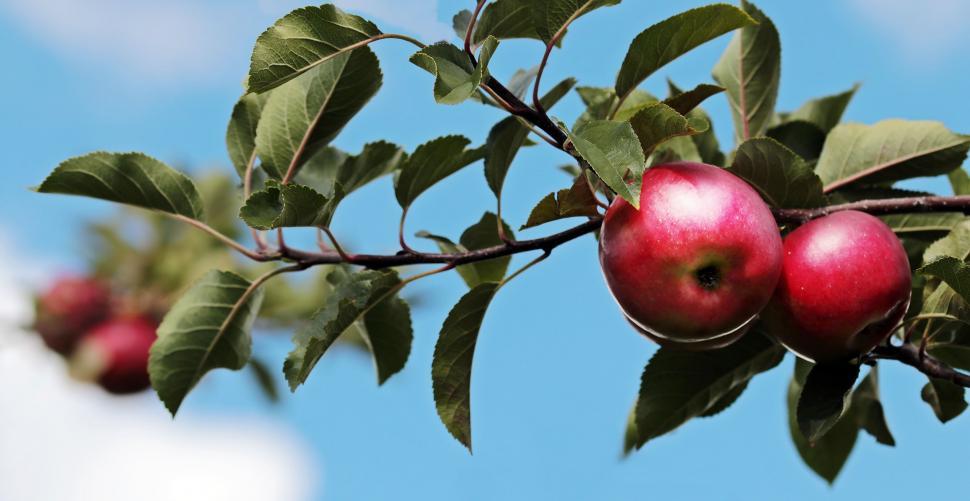
Every tree grows differently, and understanding those differences is key when planning your landscape. Some trees grow tall without spreading very wide, while others expand significantly in both height and canopy width. For example, magnolias tend to have a more limited canopy that provides lighter, more filtered shade, while oak trees develop broad, dense canopies that create much deeper and more consistent shade coverage. Choosing the right type of tree depends on how much shade you want, how much space you have, and the long-term shape you want your landscape to take.

— Fruit Trees

What about fruit-bearing trees? Are they good to have?

This really comes down to personal preference, especially when it comes to seasonal changes and maintenance. Harvest time can feel like a rewarding experience for some, but for others it can quickly become a messy or high-maintenance task depending on the type of tree you choose. For example, some trees produce fruit or seeds that drop heavily and require regular cleanup, while others are far easier to manage year-round. A gingko tree is often avoided for this reason, as its fruit is known for having a very strong, unpleasant smell during drop season.

— PLanning

Should I be concerned about how tall a tree will grow?

Yes—while a 4-foot sapling may seem small now, its future height and spread over 10 to 20 years can be difficult to predict with precision, since growth depends on species, soil, water, and overall conditions. That’s why it’s important to plan ahead and pay close attention to nearby structures, especially overhead electrical lines, buildings, and other fixed obstacles. Proper placement now helps prevent future safety issues, costly trimming, or the need to remove a mature tree later.