Lawn Seeding Maintenance

Expert seeding for a thicker, greener Lehigh Acres lawn.

Planting is necessary.
Cultivating is exemplary.

Because Lehigh Acres deserves the best.

— Why not go DIY with lawn seeding maintenance?

Lawn seeding may seem simple at first, but achieving healthy, lasting growth takes more than just spreading seed across your yard. Successful seeding depends on proper soil preparation, aeration, strong seed-to-soil contact, and using high-quality seed that matches your lawn’s needs.

Without the right process, a seed can struggle to germinate, wash away, or get eaten before it has the chance to grow. Professional lawn seeding helps ensure your grass develops thick, even, and healthy coverage that lasts long-term.

  • Improves seed-to-soil contact for better germination
  • Uses professional aeration to support healthy root growth
  • Applies high-quality seed suited for your lawn and climate
  • Helps create a thicker, greener, more even lawn

Soil Aeration
Overseeding
Bare Patch Repair
Growth Monitoring

Get Your FREE Quote Now!

Fill out your information below and our office will contact you shortly

— COMMON QUESTIONS

Common Questions about Lawn Mowing & Maintenance
— Overseeding

Why overseed? The importance of Lawn Seeding Maintenance

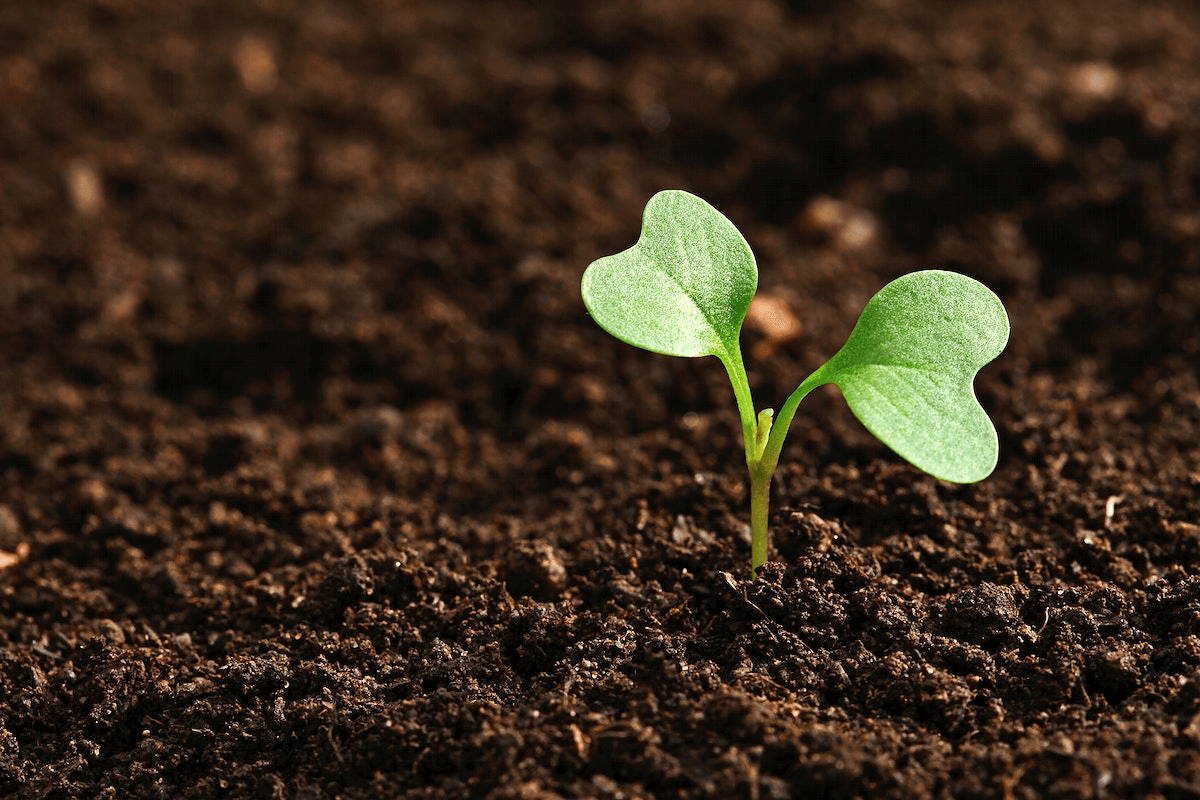
Overseeding helps thicken and refresh lawns that have become thin from heat, drought, foot traffic, and other stress. By spreading new grass seed over an existing lawn, fresh growth fills in weaker areas to create a fuller, greener appearance without starting from scratch. Proper overseeding includes mowing short, removing debris, and loosening the soil to improve seed-to-soil contact and encourage healthy germination.

— Reseeding

How is reseeding different from overseeding?

Reseeding completely renovates a lawn by removing or replacing existing grass and starting fresh with new seed, while overseeding focuses on improving an existing lawn by adding new grass seed to thicken thin or weak areas. Overseeding helps enhance density and appearance without tearing up the entire yard, whereas reseeding is typically used when a lawn has significant damage, bare patches, or poor overall health.

— Repairs

What’s the best way to fix thin or bare spots?

In many cases, you may not need full overseeding to repair thin or bare spots in your lawn. A simple approach involves removing dead grass and debris, loosening the top layer of soil to improve seed-to-soil contact, spreading fresh seed evenly across the area, and watering thoroughly to support germination. With proper care and consistent moisture, these repaired sections can begin filling in and blending naturally with the rest of your lawn over time.

— Seed Quality

How long before grass seed goes bad?

Grass seed stored in a cool, dry environment can typically remain usable for two to three years. However, as the seed ages, its germination rate gradually decreases, meaning fewer seeds will successfully grow over time. Using fresh, high-quality seed usually delivers stronger, thicker, and more consistent lawn growth.